Why Your Heel Pain Improves… Then Flares Again: Understanding Plantar Fasciitis Recovery
Plantar Fasciitis Doesn’t Heal Overnight
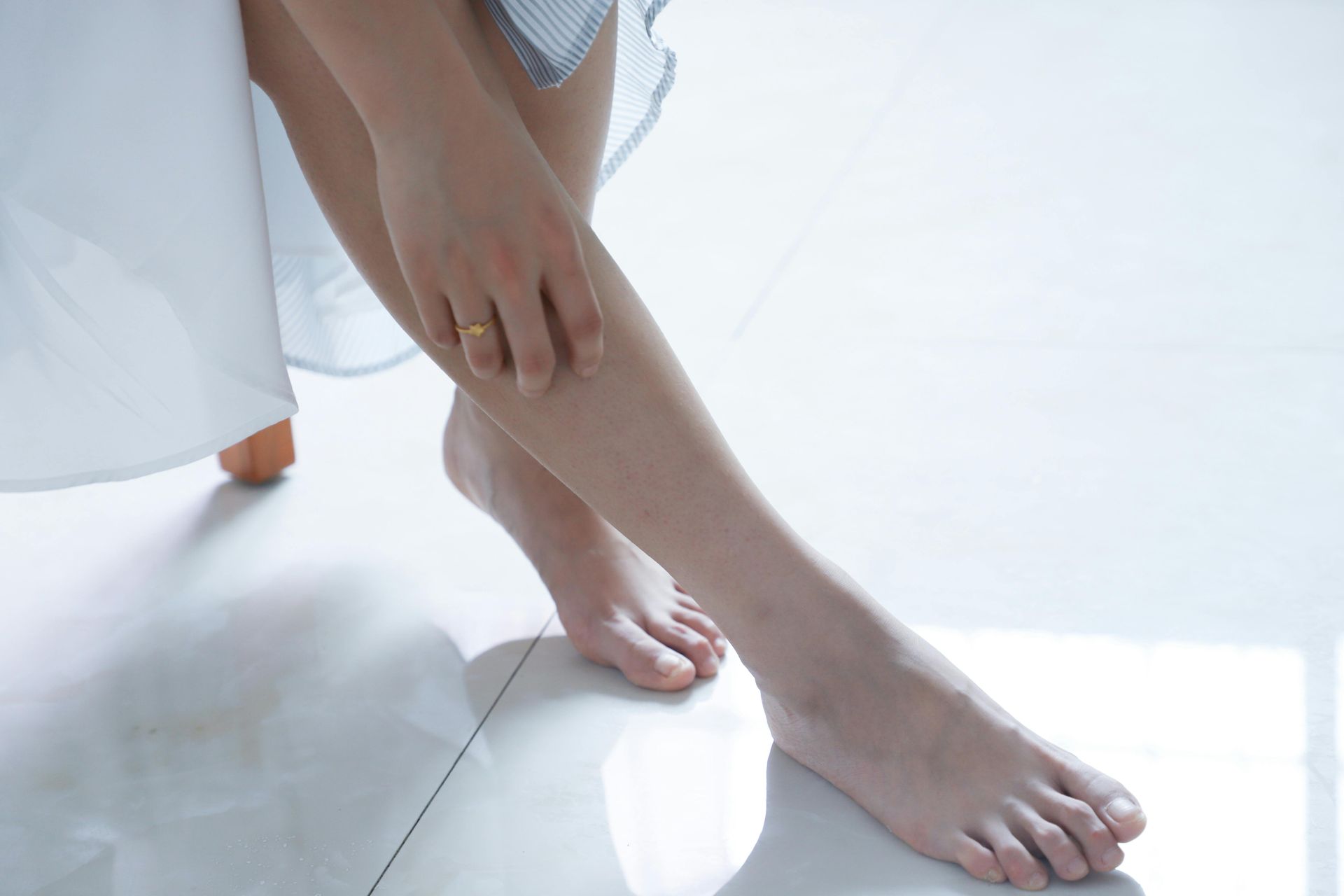
If you’ve been dealing with heel pain — especially that classic plantar fasciitis pain under the heel or arch — you’ve probably noticed a frustrating pattern: it gets better… then flares… then settles… then flares again.
This week in my clinic, a patient explained her experience perfectly:
“My heel pain has improved by about 60–70%, but it’s still really variable and depends on how much I’m on my feet. If I stand or walk for long periods, the pain definitely comes back. It feels like the healing process is slow. And after a big day, it can flare again and take a couple of days to settle.”
If this sounds familiar, you’re not alone — and more importantly, it makes complete sense.
Plantar fasciitis rarely improves in a straight, predictable line. Instead, the recovery curve looks more like a slow staircase with the occasional step backwards. Here’s why.
Plantar Fasciitis Doesn’t Heal Overnight
The plantar fascia is a thick, fibrous band that absorbs shock every time you stand, walk, run or even shift your weight. When it becomes irritated or overloaded, micro-tears develop.
These tiny tears don’t heal quickly because:
- The plantar fascia has a limited blood supply
- We rely on it constantly for movement
- Most people can’t simply “rest it completely”
So when a patient says they’re “60–70% better,” that’s actually a very positive sign. But it also means the tissue is still vulnerable to overload.
Why Your Pain Feels Good One Day and Bad the Next
Fluctuating pain is one of the hallmarks of plantar fasciitis. You might feel fantastic after a quiet day, then suddenly sore after:
- A long day on your feet
- A bigger walk than usual
- A shift at work involving standing
- Household tasks that add up (shopping, cleaning, gardening)
This doesn’t mean the treatment isn’t working. It simply means the tissue is still repairing itself and hasn’t fully adapted to higher loads yet.
When my patient said: “With prolonged standing or walking, the pain is certainly present,”
That tells me her plantar fascia is improving, but not fully capable of handling increased activity — yet.
Flare-Ups Are Normal, Not a Setback
A flare-up is your body’s way of saying: “I wasn’t quite ready for that level of activity.”
And the fact that it settles within a day or two is actually a very good clinical sign. It means:
- The inflammation cycle is shorter
- The tissue is responding well to treatment
- Recovery is progressing, even if slowly
Many people get discouraged when they have a painful day, but it’s completely expected during recovery.
Why Plantar Fasciitis Feels Slow to Heal
My patient mentioned: “The healing process is slow”
Everyone heals differently, but plantar fascia tissue generally takes 6–12 weeks to strengthen — and in long-standing cases, even longer. Factors like age, foot structure, footwear choices, activity levels and overall health all play a role.
The important thing is that progress is happening. Even a 10–20% improvement every few weeks compounds into a major difference over time.
What You Can Do to Support Healing
If you’re experiencing similar heel pain, here’s what typically helps:
1. Reduce Overload (Without Stopping Activity Completely)
Light movement is beneficial; long days on your feet often aren’t. Finding the right balance is key.
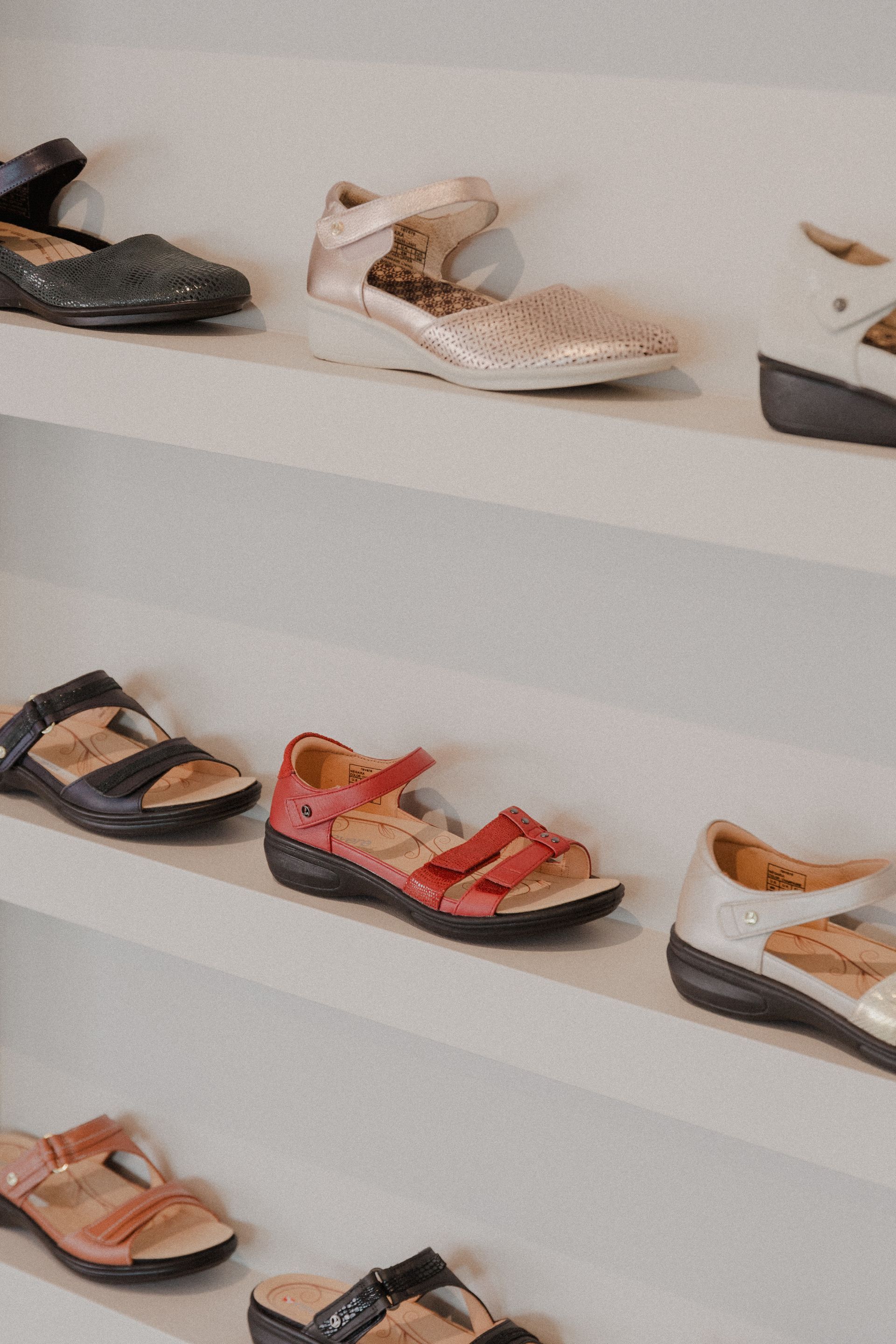
2. Improve Footwear
Supportive shoes reduce strain on the fascia dramatically.
3. Targeted Treatment
This may include:
- Soft-tissue therapy
- Taping
- Orthotics
- Shockwave therapy
- Calf and fascia-specific stretching
- Strengthening exercises
4. Manage Flare-Ups Wisely
Ice, gentle stretching, and reducing activity for 24–48 hours often works well.
You Can Get Better — And Most People Do
If your experience matches the patient story above, you’re in the normal recovery window. You’re improving, but the plantar fascia is still rebuilding strength.
The key is understanding that recovery is gradual, not instant — and flare-ups are simply part of that journey.
If you’d like a tailored treatment plan to finally get on top of your heel pain, you’re welcome to book an appointment. The sooner we address it properly, the sooner you’ll be back doing what you love — without worrying about how your feet will feel the next day.